
loader

Month: September 2025

27 Sep

Modern Interior Design: Creating Spaces That Reflect Personality and Functionality

Interior design has evolved far beyond aesthetics—it is now a blend of creativity, innovation, and purpose. A well-designed interior not only enhances the visual appeal of a space but also improves comfort, functionality, and mood. Whether it’s a cozy apartment, a luxury villa, or a modern office, interior design plays a critical role in shaping how we experience and interact with spaces.

This blog explores the essence of modern interior design, current trends, essential principles, and tips for creating spaces that reflect personal style while serving practical needs.


The Importance of Interior Design

Interior design is more than just decorating rooms with furniture and colors. It involves strategic planning of layout, lighting, materials, and textures to create an environment that suits lifestyle and functionality. Good design:

  • Maximizes available space.
  • Balances comfort and aesthetics.
  • Improves property value.
  • Creates a positive atmosphere.

Ultimately, interior design transforms a house into a home and a workspace into an inspiring environment.


Core Principles of Modern Interior Design

Modern interior design combines creativity with function. Some guiding principles include:

1. Balance and Proportion

The right distribution of furniture, textures, and colors brings harmony. For instance, large furniture pieces should be balanced with lighter elements.

2. Lighting Matters

Natural and artificial lighting dramatically affects mood. Layered lighting—ambient, task, and accent—creates depth and warmth.

3. Color Psychology

Colors influence emotions. Neutral shades promote calmness, bold hues inspire energy, and earthy tones bring grounding.

4. Functionality First

Design is not just about looks—it must serve practical purposes. Every element should enhance comfort and usability.

5. Sustainability in Design

Eco-friendly designs are becoming a necessity. Using natural materials, energy-efficient lighting, and recycled elements reduces environmental impact.


Popular Interior Design Styles in 2025

Modern design has many styles, each catering to different tastes. Here are some trending ones:

Minimalist Design

Focuses on simplicity, clean lines, and clutter-free living. Neutral color palettes dominate, emphasizing space and function.

Scandinavian Style

Inspired by Nordic culture, this style combines coziness (hygge) with practicality. Light woods, soft fabrics, and natural light are key.

Industrial Look

Exposed bricks, metal fixtures, and raw materials create an urban vibe perfect for lofts and modern apartments.

Contemporary Elegance

Blends current trends with timeless elements. Think open spaces, soft neutrals, and statement furniture.

Bohemian (Boho-Chic)

Colorful, eclectic, and free-spirited. Boho interiors feature patterned textiles, plants, and artistic décor.


Interior Design Trends to Watch in 2025

The interior design world continues to evolve, with these trends leading the way:

  • Smart Homes – Integrating technology into design, from smart lighting to automated curtains.
  • Sustainable Materials – Bamboo, reclaimed wood, and recycled metals are dominating eco-conscious homes.
  • Biophilic Design – Bringing nature indoors with plants, green walls, and natural textures.
  • Multifunctional Furniture – Essential for urban living, foldable beds and modular sofas save space.
  • Earth Tones – Warm browns, greens, and terracotta shades are making interiors cozy and natural.

Practical Tips for Designing Your Space

Here are some professional interior design tips you can implement:

  1. Start with a Vision
    Create mood boards or use digital tools to visualize your design before implementation.
  2. Invest in Key Pieces
    Choose a quality sofa, bed, or dining table that defines the space. Accessories can evolve with trends.
  3. Mix Textures and Materials
    Combine wood, metal, glass, and fabrics for richness and depth.
  4. Play with Lighting
    Don’t rely only on ceiling lights. Use floor lamps, pendant lights, and wall sconces for balance.
  5. Personalize the Space
    Add family photos, travel souvenirs, or artwork that reflects your personality.

Interior Design for Different Spaces

Living Room

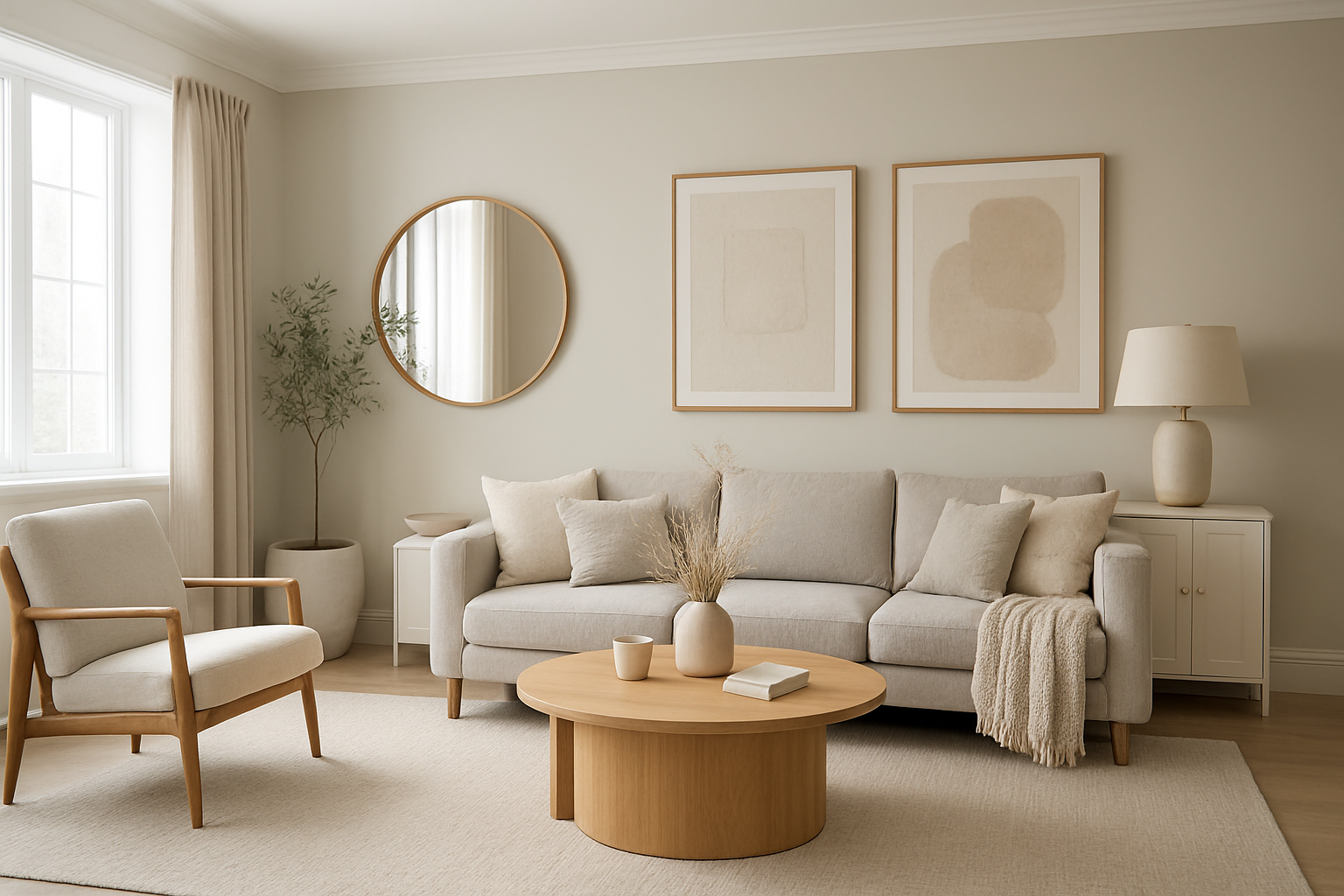
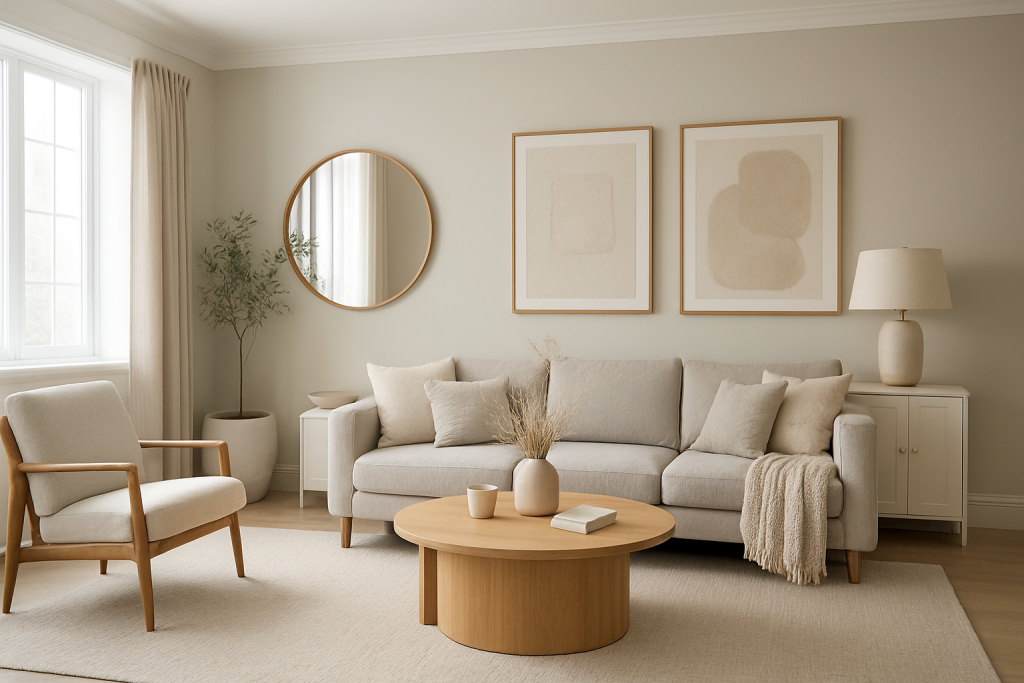
The heart of any home—focus on comfortable seating, layered lighting, and a balanced arrangement.

Bedroom

Prioritize relaxation with soothing colors, soft lighting, and minimal clutter.

Kitchen

Efficiency is key—use smart storage, ergonomic layouts, and durable materials.

Workspaces

Home offices should inspire productivity. Ergonomic chairs, natural light, and neutral tones help focus.


Why Professional Interior Designers Matter

While DIY design is fun, hiring a professional ensures:

  • Expert knowledge of space utilization.
  • Access to exclusive furniture and décor options.
  • Cost-effective solutions through planning.
  • A unique design tailored to lifestyle.

Conclusion

Interior design is about striking the right balance between beauty and function. As trends evolve, one thing remains constant: a well-designed space enhances quality of life. Whether you prefer minimalist modern or vibrant bohemian, your interiors should reflect your personality and support your lifestyle.

With sustainability, technology, and personalization shaping the future of design, the possibilities are endless. The key is to create spaces that not only look beautiful but also feel like home.
27 Sep

The Art of Interior Design: Transforming Spaces into Timeless Masterpieces

Interior design is more than just decorating a home-it’s about creating harmony between function, comfort, and beauty. A well-designed interior can enhance your lifestyle, improve productivity, and even increase the value of your property. In today’s fast-paced world, homeowners and businesses alike are realizing that interiors should not only look good but also feel practical and sustainable.

In this article, we’ll explore the principles, trends, and benefits of interior design while giving you insights on how to transform your own living space into a modern sanctuary.


What is Interior Design?

Interior design is the art and science of enhancing the interior of a building to achieve a healthier and more aesthetically pleasing environment. It combines creativity, technical knowledge, and space planning to make every corner of a home or office purposeful.

Unlike simple decoration, interior design involves:

  • Space planning – ensuring every area serves a function.
  • Color theory – using tones and shades to influence mood.
  • Lighting design – maximizing natural and artificial light.
  • Furniture arrangement – balancing style with functionality.
  • Material selection – choosing durable yet stylish options.

Why Interior Design Matters

A well-planned interior has the power to completely change how people feel and interact with a space. Here’s why it’s so important:

  1. Improved Functionality – Thoughtful layouts maximize usable space.
  2. Comfort & Well-Being – Colors, textures, and lighting impact mood.
  3. Increased Property Value – Modern designs boost resale potential.
  4. Personal Expression – Interiors reflect your personality and lifestyle.
  5. Energy Efficiency – Smart design can lower electricity and heating costs.

Top Interior Design Trends in 2025

The world of design keeps evolving with culture, technology, and lifestyle changes. Here are some of the most exciting interior design trends for 2025:

1. Sustainable & Eco-Friendly Design

With a growing focus on sustainability, designers are using recycled materials, energy-efficient lighting, and eco-friendly furniture. Bamboo, reclaimed wood, and natural stone are popular choices.

2. Minimalism with Warmth

Minimalism is no longer about cold, empty spaces. In 2025, the trend is “warm minimalism”, where simplicity meets coziness with earthy tones, textured fabrics, and layered lighting.

3. Smart Homes & Technology Integration

From smart lighting systems to voice-controlled appliances, technology is seamlessly blending into interiors. Hidden charging stations and integrated speakers are becoming essential.

4. Biophilic Design

Bringing nature indoors is a timeless trend. Indoor plants, natural light, and organic textures create a calming and refreshing atmosphere.

5. Multifunctional Spaces

With remote work becoming common, homes now need flexible spaces. Designers are creating convertible offices, foldable furniture, and adaptable layouts for modern living.


Essential Elements of Great Interior Design

Every successful interior project is built on a few key elements:

1. Color Palette

Colors influence mood and perception. For instance:

  • Warm tones like beige and terracotta create coziness.
  • Cool tones like blue and green bring calmness.
  • Neutral shades make spaces look bigger and timeless.

2. Lighting

Good lighting can transform a room. A mix of ambient, task, and accent lighting ensures both practicality and aesthetics.

3. Furniture

The right furniture balances comfort with style. Modern designs often favor space-saving, ergonomic, and modular furniture.

4. Texture & Materials

Combining textures—wood, glass, metal, and fabric—adds depth and richness to interiors.

5. Layout & Flow

Proper spacing ensures rooms feel open and inviting rather than cluttered.


Tips for Designing Your Own Space

You don’t need a professional designer to start improving your interiors. Here are a few practical tips:

  1. Declutter First – A clean space gives you a fresh canvas.
  2. Use Mirrors – They make small rooms look larger.
  3. Play with Lighting – Add floor lamps or pendant lights for mood.
  4. Mix Old & New – Combine vintage pieces with modern styles.
  5. Add Personal Touches – Art, souvenirs, or family photos make your home unique.

Benefits of Hiring a Professional Interior Designer

While DIY is rewarding, professional designers bring expertise and resources you may not have. Benefits include:

  • Access to exclusive furniture and materials.
  • Knowledge of latest design software and trends.
  • Saving time and avoiding costly mistakes.
  • Customized designs tailored to your needs.

Final Thoughts

Interior design is not just about aesthetics-it’s about creating a lifestyle. Whether you’re embracing eco-friendly living, designing a multifunctional home office, or simply refreshing your color palette, thoughtful design has the power to inspire and uplift.

If you’re ready to transform your home or workspace, investing in interior design can be one of the best decisions you’ll ever make. It’s not just about living in style; it’s about living smarter, healthier, and happier.

Looking to redesign your interiors? Let’s bring your vision to life with creative, functional, and timeless design solutions. Contact us today to get started!

27 Sep

Top 10 Home Renovation Ideas to Add Value to Your Property in 2025

When it comes to homeownership, one of the smartest investments you can make is improving your property through renovations. In 2025, homeowners aren’t just looking at renovations for style—they’re focusing on value, efficiency, and comfort. Whether you plan to sell your house soon or simply want to enjoy a better lifestyle, upgrading your space can significantly boost your property’s worth.

Here are the top 10 home renovation ideas that will not only enhance your living experience but also increase your home’s resale value.

1. Kitchen Remodeling

The kitchen remains the heart of the home. Modern buyers love open layouts, sleek countertops, and smart appliances. Consider upgrading to quartz or granite countertops, energy-efficient appliances, and ample storage. Even small updates like a new backsplash or modern lighting can instantly add appeal.

2. Bathroom Upgrades

Bathrooms are a key selling point. A walk-in shower with glass doors, updated vanities, and water-saving fixtures can make your home stand out. Adding luxury touches like heated floors or LED mirrors can give your bathroom a spa-like feel while adding long-term value.

3. Basement Finishing

Unfinished basements are untapped potential. Converting your basement into a family lounge, home office, or entertainment zone can add thousands to your property’s value. In 2025, multi-purpose basements are trending because they maximize usable space without needing a costly home extension.

4. Outdoor Living Spaces

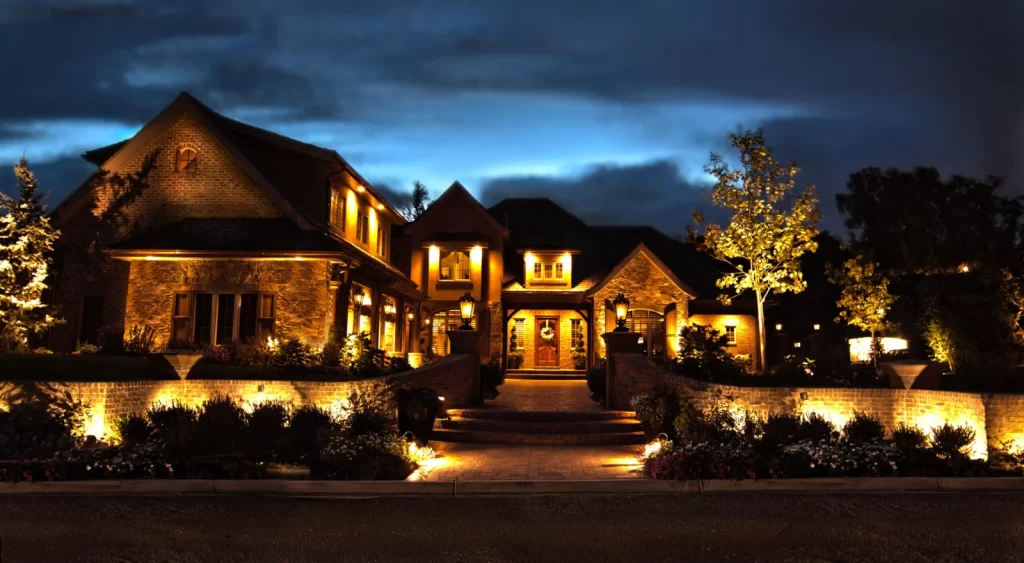
Backyards are becoming an extension of the home. Adding a deck, patio, or outdoor kitchen not only improves your quality of life but also increases market value. Features like landscape lighting, fire pits, and low-maintenance landscaping are especially attractive to potential buyers.

5. Energy-Efficient Windows & Doors

Energy efficiency is no longer optional—it’s a necessity. Replacing old windows with double-pane or energy-efficient models can reduce utility bills and attract eco-conscious buyers. Similarly, modern front doors with insulation and stylish designs enhance both curb appeal and functionality.

6. Smart Home Technology

Smart homes are the future. Installing smart thermostats, security cameras, lighting systems, and voice-controlled devices increases convenience and marketability. Buyers in 2025 are drawn to homes that offer built-in technology for safety and energy management.

7. Flooring Upgrades

Worn-out flooring can lower the value of your home. Replacing carpets with hardwood, vinyl plank, or tile gives your home a modern and durable finish. Hardwood flooring, in particular, remains one of the most desirable upgrades for homeowners and buyers alike.

8. Fresh Paint Inside & Out

A fresh coat of paint is one of the most cost-effective renovations with the highest ROI. Choose neutral, timeless shades like beige, gray, or soft whites for interiors. Don’t forget exterior painting—it can dramatically boost curb appeal and create a lasting first impression.

9. Energy-Efficient HVAC & Water Heaters

Homebuyers are increasingly looking for properties with low maintenance costs. Upgrading to a high-efficiency HVAC system or a tankless water heater not only reduces utility bills but also positions your property as modern and environmentally friendly.

10. Curb Appeal Enhancements

First impressions matter. Simple upgrades like new siding, a modern garage door, outdoor lighting, and landscaping can transform your home’s exterior. In 2025, sustainable and low-maintenance curb appeal solutions are trending, such as drought-resistant plants and solar-powered lights.

Final Thoughts

Home renovation is more than just updating your space-it’s about creating a property that is functional, stylish, and future-proof. Whether you choose to focus on a kitchen remodel, outdoor living space, or energy-efficient upgrades, these ideas will help you boost your home’s value in 2025 and beyond.